 Sialkot, Pakistan
 Worldwide enquiries

Cotton jersey is a useful starting point for a streetwear T-shirt, but the name alone is not a complete fabric specification. Confirm the fibre composition, knit construction, finished weight, surface, colour and finishing route, then approve the identified material in a decorated garment sample. Two options described as cotton jersey can produce very different results.
For clothing-brand buyers, the aim is to make a repeatable purchasing decision. This guide shows how to turn a loose description such as “soft premium cotton” into a material reference that a sampling team can work with and a repeat order can follow. It focuses on identifying and approving jersey, rather than choosing a universal weight or repeating a general oversized-fit checklist.
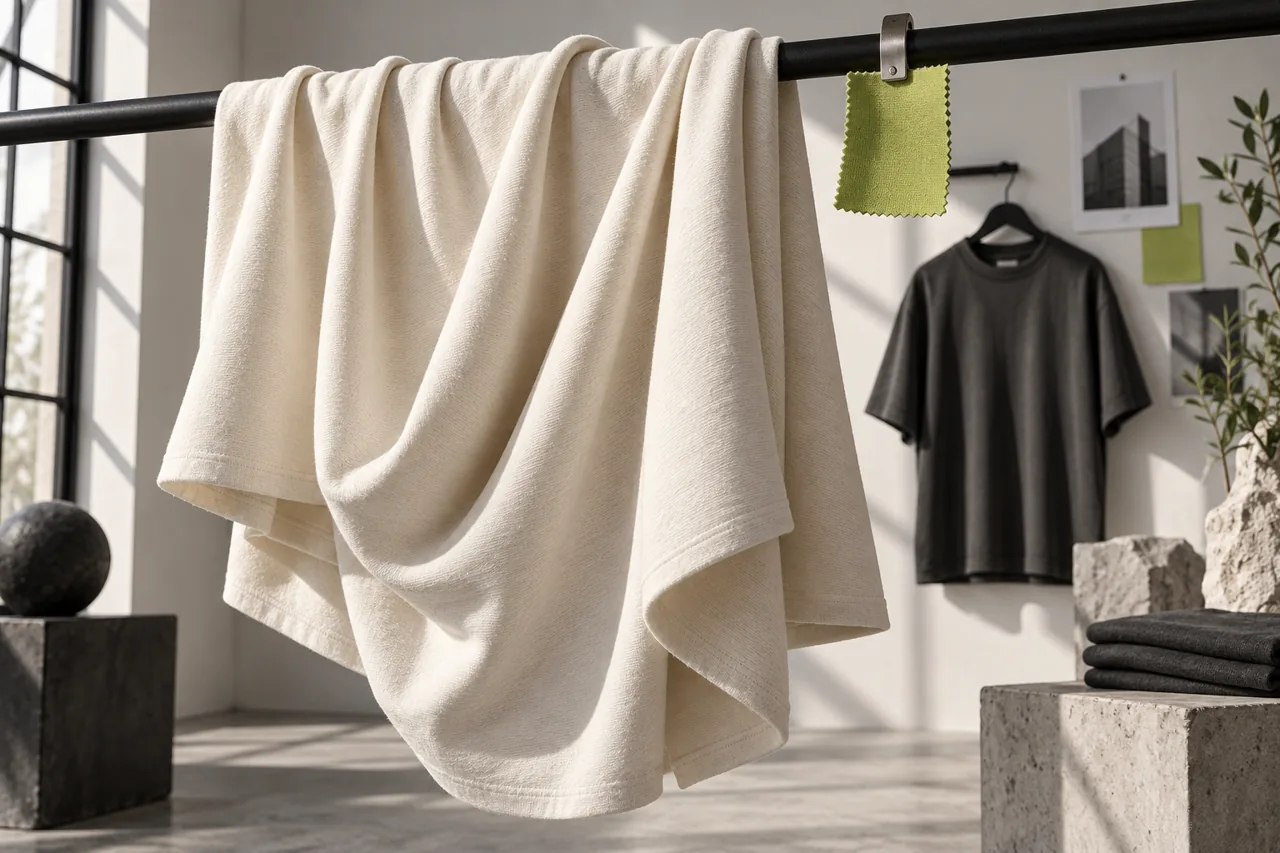
The six original AI-generated illustrations are conceptual examples. They do not show Athletic Rush stock, a real factory, production evidence or measured fabric performance.
What does cotton jersey actually describe?
Cotton names the fibre; jersey names a knit construction. Neither word, by itself, tells you the finished weight, the exact blend, the hand feel or the behaviour after care. Ask whether the proposal is entirely cotton or a cotton blend, and request the confirmed composition rather than inferring it from appearance.
Cotton Incorporated's CottonWorks definition of jersey describes a plain knit made with one set of needles, with different appearances on the two sides. Its single and double knits guide distinguishes single jersey from constructions such as interlock. Those construction names should not be treated as interchangeable quotations for the same material.
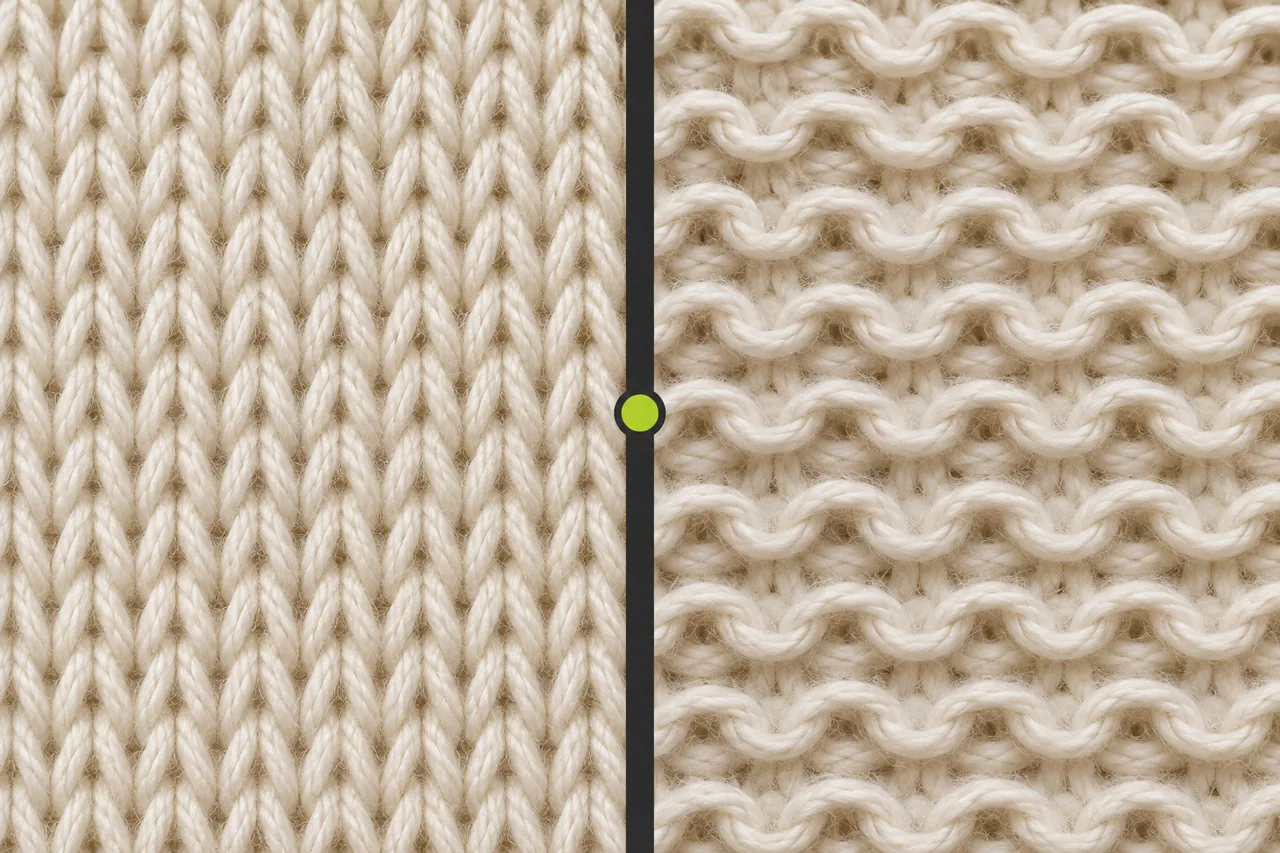
The practical buyer question is: “Which specific material does this price and sample refer to?” Give each candidate a reference, retain its swatch and connect that reference to the garment sample. If the supplier changes the construction or blend, treat it as a new proposal requiring review, even if the description still contains the word cotton.
Do not identify fibre content by touch alone. A soft surface is an observation, not composition evidence. Similarly, a photograph can communicate texture but cannot establish the yarn specification or finishing history. Ask for supporting information when those details matter to the product brief.
Build a fabric identity card before comparing prices
A concise identity card prevents a common sourcing problem: choosing a swatch, discussing a second fabric in messages, then receiving a quote for a third. Use one reference across the quotation, sample notes and final approval.
| Field | Ask the supplier to confirm | Why the buyer needs it |
|---|---|---|
| Material reference | A unique code tied to the retained swatch | Prevents unrecorded substitutions |
| Fibre composition | Exact proposed fibre percentages | Supports an accurate product brief |
| Construction | Single jersey or another named knit | Separates materials that may look similar in photos |
| Finished weight | Target, unit, tolerance and measurement stage | Makes comparisons refer to the same condition |
| Yarn details | Relevant yarn description where specified | Avoids relying on an unsupported marketing term |
| Colour and finish | Approved shade reference and finishing route | Connects the swatch to the intended final garment |
| Care requirements | Proposed instructions and agreed evaluation | Makes performance review reproducible |
| Commercial scope | Material availability, sample scope and quotation basis | Separates fabric approval from ordering terms |
You do not need to dictate every manufacturing parameter yourself. Where a detail is unknown, ask the supplier to propose it and explain how it supports the brief. Record the answer as proposed until it is confirmed. Leaving a field open is more accurate than copying a technical value from an unrelated online listing.
For example, a buyer may prefer candidate A's surface but candidate B's drape. Rather than approve “something between them,” name both references, identify the desired traits and ask for a new identified proposal. A new swatch or sample makes the compromise visible before an order is based on it.
Separate weight, drape and surface feel
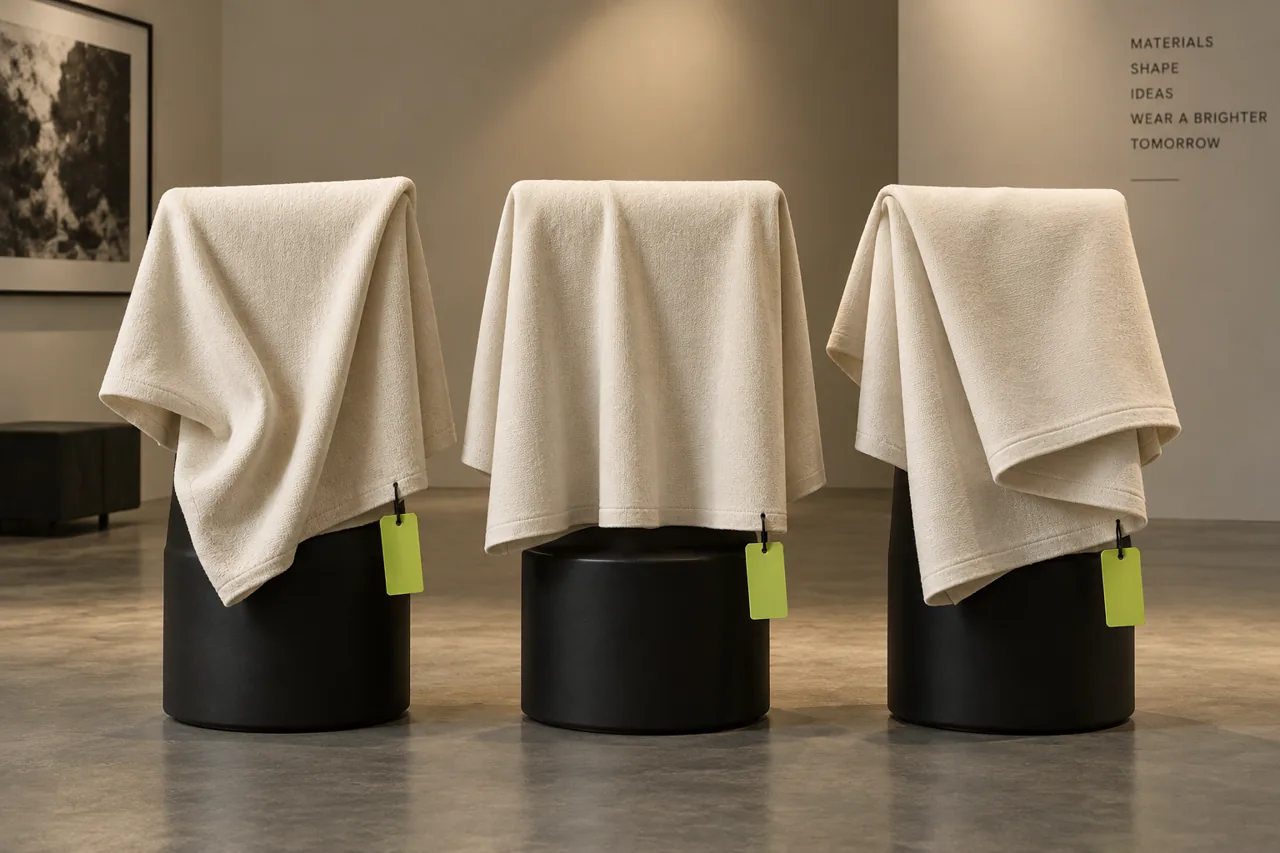
Weight is one part of the decision. Drape is how the material hangs, and hand feel is what you experience when touching it. These observations answer different questions. A weight value cannot show whether a sleeve holds the shape you want or whether a finish feels right against the skin.
Compare swatches of similar size in the same orientation and conditions. Hold or drape them over the same support, rather than judging one tightly folded sample against another hanging freely. Record plain observations: broad folds, fluid fall, crisp surface or a softer touch. Avoid turning an informal handling exercise into a claimed laboratory result.
Then move to a garment. A small swatch does not reproduce the full body length, seams, rib or decoration. If a silhouette is already approved, sample the fabric in that silhouette so the comparison remains useful. For a substantial tee, consult the heavyweight T-shirt buyer checklist without assuming that the heaviest option is automatically the best option.
Agree whether a weight specification refers to the finished fabric at the stage you are purchasing. If you compare measurements taken at different processing stages, investigate that difference before treating it as a quality failure. Keep the agreed method and tolerance with the material reference.
Review coverage in the intended colour and fit
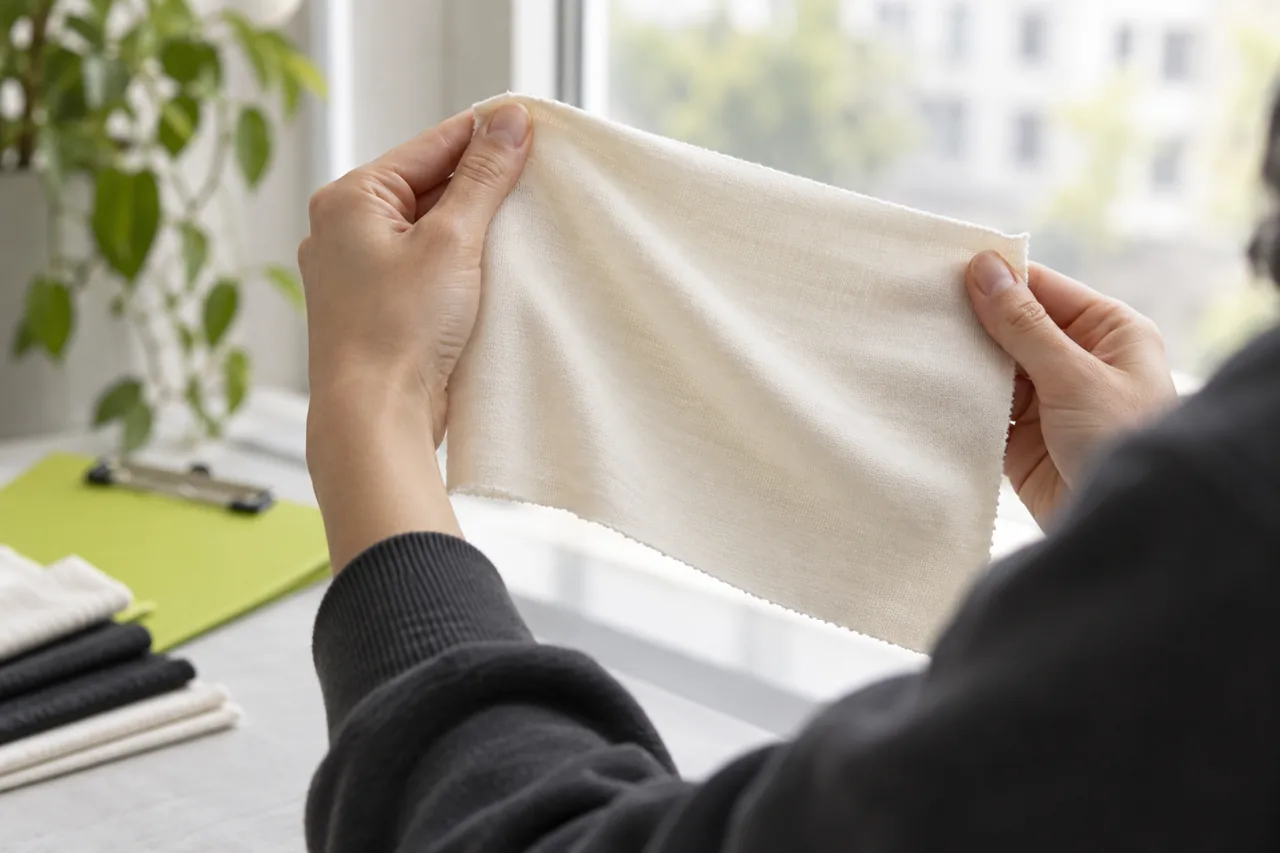
Coverage is a product decision that should be checked in context. Review the proposed colour and the garment as it will be worn. A dark swatch photograph does not settle whether a light-coloured version meets your expectations. Nor does a relaxed flat sample show what happens where the garment is pulled across the body.
Use consistent, ordinary viewing conditions for a practical comparison. Note the lighting and whether the material is relaxed or extended. Compare the same conditions across candidates, then verify on the relevant wearer and size. Treat a window or backlight observation as a screening step, not a formal opacity rating.
Tell the supplier what is unacceptable in concrete terms. For instance, explain that a pale everyday tee should meet the brand's agreed coverage expectation during normal wear. Provide reference photos and retain the accepted sample. Do not attach a universal pass threshold to an informal check.
If a candidate only looks right after changing the intended fit, record that trade-off. Fabric approval and pattern approval should remain connected. The oversized versus boxy fit guide helps separate those silhouette decisions from the material name.
Ask what the finish changes and what remains to be proven
Finishing belongs in the fabric discussion. A swatch's feel and appearance may reflect treatments that need to be reproduced in production. Ask which finish the sample represents, whether it is the final intended stage and whether the same route is included in the quotation.
CottonWorks explains mechanical compaction as a process that can reduce length shrinkage by compressing the fabric structure. That process description is not a guarantee that a particular finished garment will have no dimensional change. Request evidence for the actual material and agreed care conditions when a purchasing requirement depends on it.
Keep care review proportionate to the decision. Agree how the sample will be washed, dried and assessed; record the sample revision and conditions. Compare appearance and measurements before and afterwards. Detailed shrinkage calculation is a separate task, but the jersey approval record should clearly state whether care evaluation is complete or still outstanding.
Do not approve a substitution merely because it has the same nominal weight. If its composition, finish or construction differs from the accepted reference, decide which sample and care checks need repeating. The goal is a traceable decision, not a collection of disconnected swatches.
Approve the surface with your intended decoration
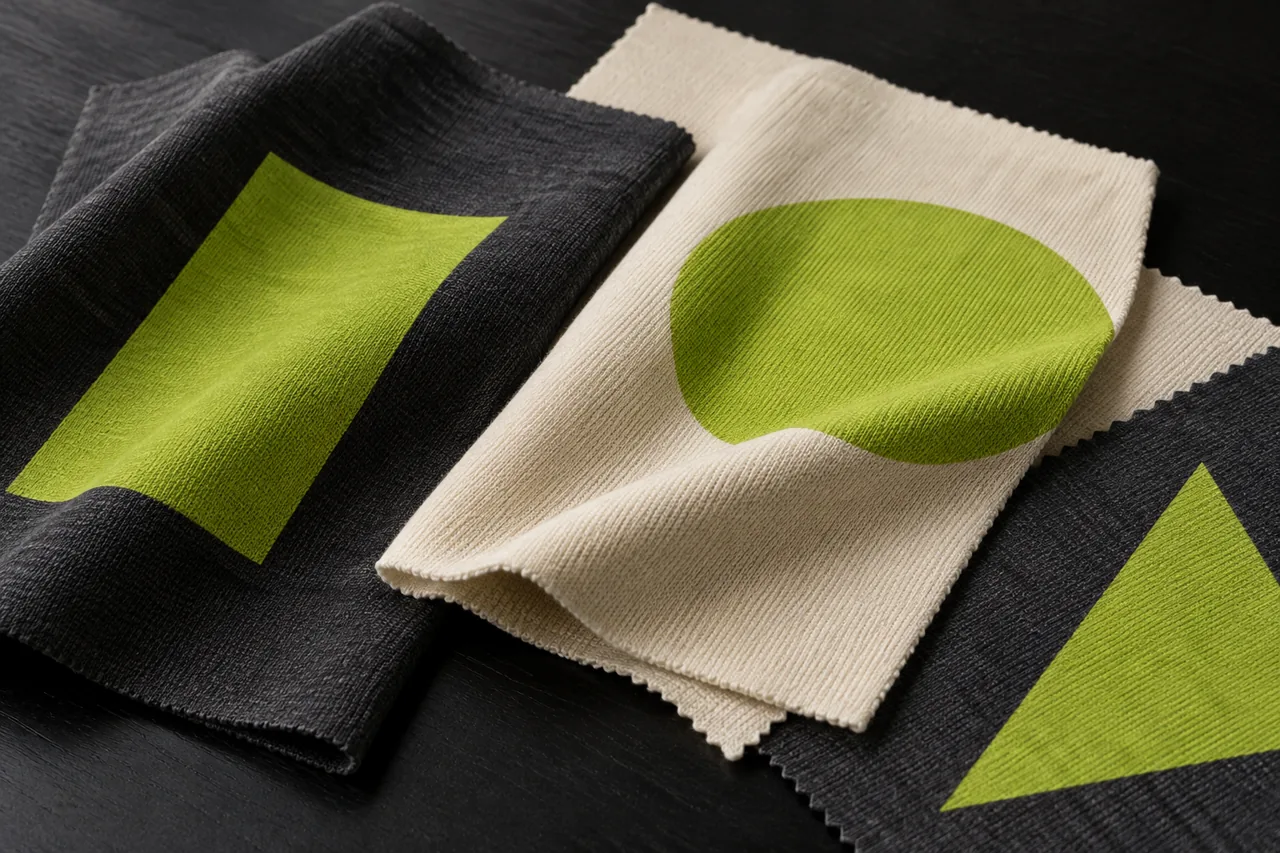
A plain material sample cannot demonstrate the final graphic result. Ask for a decoration sample using the identified fabric, proposed colour and intended process. Review the result against the actual artwork rather than a generic test logo that does not include the details your design needs.
Inspect small lines, solid areas and edges where they are part of your artwork. Look at the garment hanging naturally as well as laid flat. Record how the decorated area feels relative to the rest of the shirt and whether it supports the desired product character. Ask the production team to explain the proposed process and its limitations for your design.
Keep the evaluation specific. “Approve the print on material J-A in the intended cream shade” is much clearer than “approve cotton.” If a different colourway or finish is proposed later, confirm whether the same decoration result has been demonstrated on it.
Use the following decision sequence to avoid approving evidence that answers the wrong question:
| Evidence available | What it helps decide | What still needs checking |
|---|---|---|
| A photo of a fabric swatch | Initial colour and surface direction | Physical feel, composition confirmation and garment behaviour |
| A retained physical swatch | Material identity and handling comparison | Full silhouette, seams and decoration |
| A plain garment sample | Fit, drape and construction in that material | Intended artwork and final finishing combination |
| A decorated finished sample | The combined product proposal | Agreed care results and remaining size or colour checks |
| A documented approved reference | A benchmark for production discussion | Whether delivered goods match the agreed order |
This sequence also helps avoid expensive rework. If the fabric is still changing, describe decoration approval as provisional rather than allowing an attractive print to close the entire material decision.
Turn the chosen swatch into a production-ready brief

Once a candidate is selected, connect every relevant decision to its reference. Include the approved construction, composition, weight specification, colour, finish, garment revision, decoration reference and any outstanding evidence. Keep clear photographs alongside the physical reference, rather than replacing it with pictures alone.
A short practical brief might read: “Develop our relaxed tee using approved material reference J-A. Retain the accepted surface and drape. Use the agreed cream shade and finishing route. Produce the garment sample with the intended artwork and neck finish. Confirm all open specifications before production approval.” The reference J-A is illustrative; use your own controlled material code.
Do not add quantities, minimums or delivery promises to the brief unless they have been agreed. Ask the supplier to confirm availability, sampling cost and timing for the actual proposal. Technical approval and commercial agreement support each other, but one does not silently settle the other.
Before authorising production, check that:
- The quotation and final sample name the same material reference.
- Composition, construction and the measurement stage are clear.
- The final colour and finishing route are recorded.
- Drape, coverage and feel have been reviewed in the intended garment.
- The neckline works with the body fabric; use the neck rib and stitching guide for that review.
- Decoration has been checked on the relevant material combination.
- Care observations and outstanding checks are recorded honestly.
- Substitutions require a documented decision before use.
Common questions about cotton jersey for streetwear
Is cotton jersey always 100% cotton?
Do not assume that from a short sales description. Ask for the exact proposed composition. The fabric name, a soft feel and a product photograph do not independently verify fibre percentages.
Is single jersey the same as interlock?
No. They are different knit constructions. If a supplier proposes interlock as an alternative, compare it as a separate candidate and confirm how it performs in the intended garment rather than accepting it as an identical substitution.
What is the best weight for a streetwear T-shirt?
There is no single value selected by this guide. Define the desired silhouette, coverage, feel and use, then compare identified samples. Weight helps describe the fabric, but the finished product decision needs more evidence than that number.
Does a soft finish prove that the fabric is better?
It proves that you observed a particular feel under particular conditions. Decide whether that feel matches the brand brief, then check the final garment and agreed care results. Avoid treating one attractive characteristic as evidence for every other requirement.
Can one fabric reference cover every colourway?
Use a shared reference system if helpful, but identify the colour and finish attached to each sample. Confirm which checks have been completed for each combination instead of assuming that evidence from one colour answers every question about another.
Discuss your cotton jersey brief with Athletic Rush
Explore Athletic Rush streetwear T-shirts and send your fit references, preferred surface, intended colours, artwork and sample priorities. If you have an existing swatch, identify what you want to keep and what you want to change. For broader material selection, see choosing fabric for oversized T-shirts.
Contact kamran@athleticrush.co, share the brief through WhatsApp, or request a quote. Ask the team to confirm the proposed material, sampling scope and project terms before placing your order.